Top Dressing Lawn

Top Dressing Lawn Guide for Homeowners

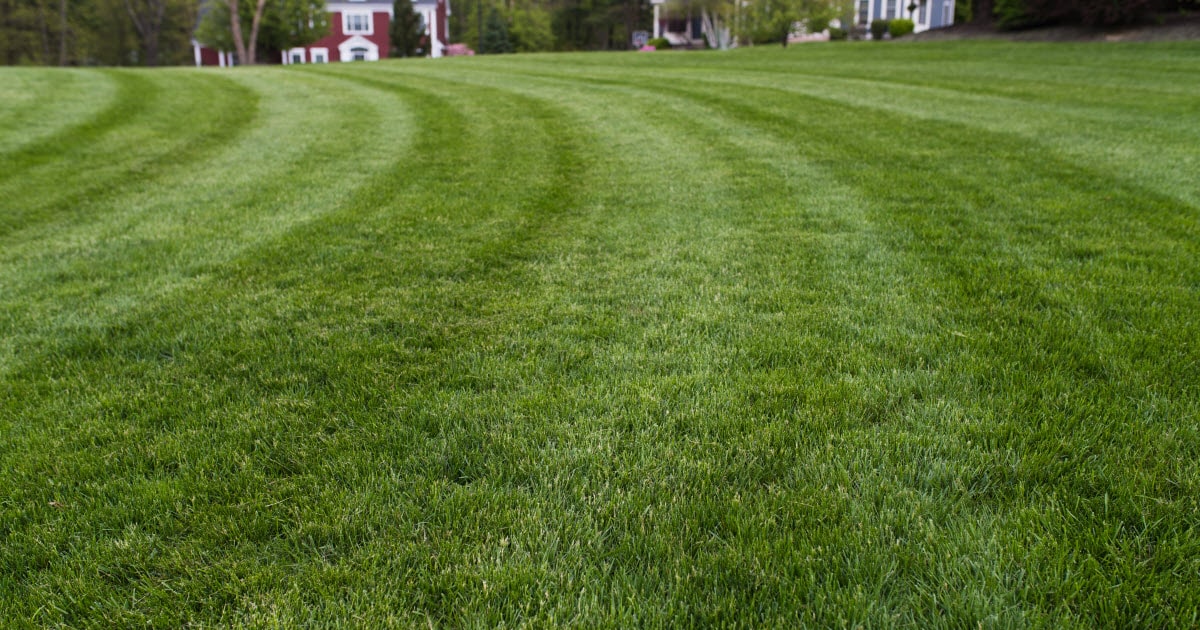
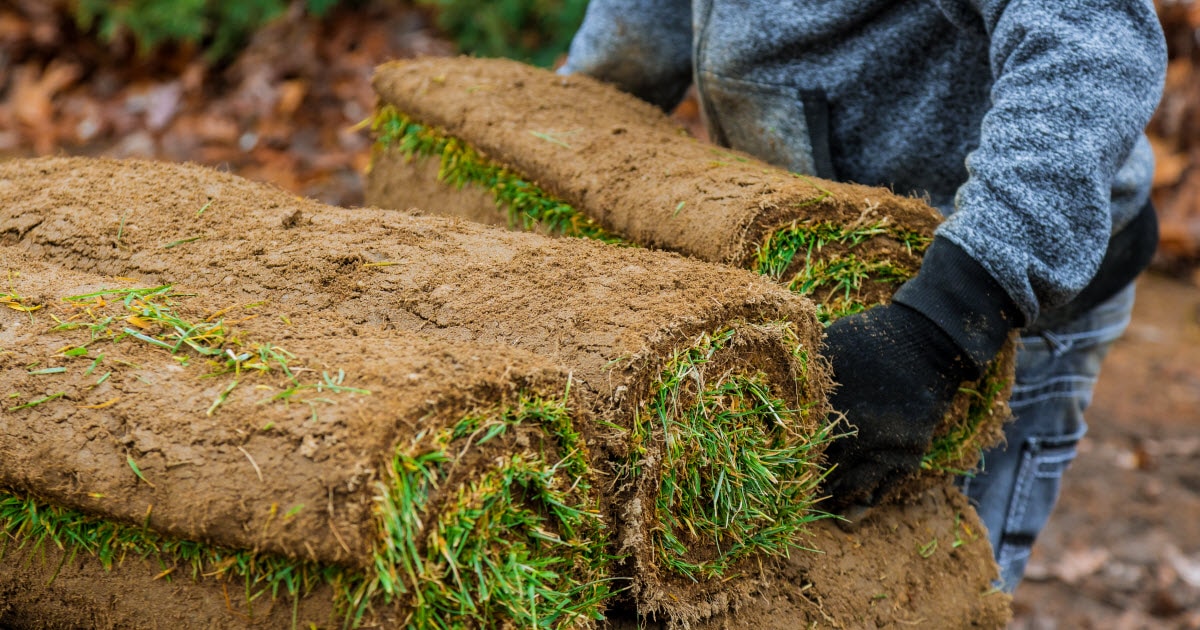
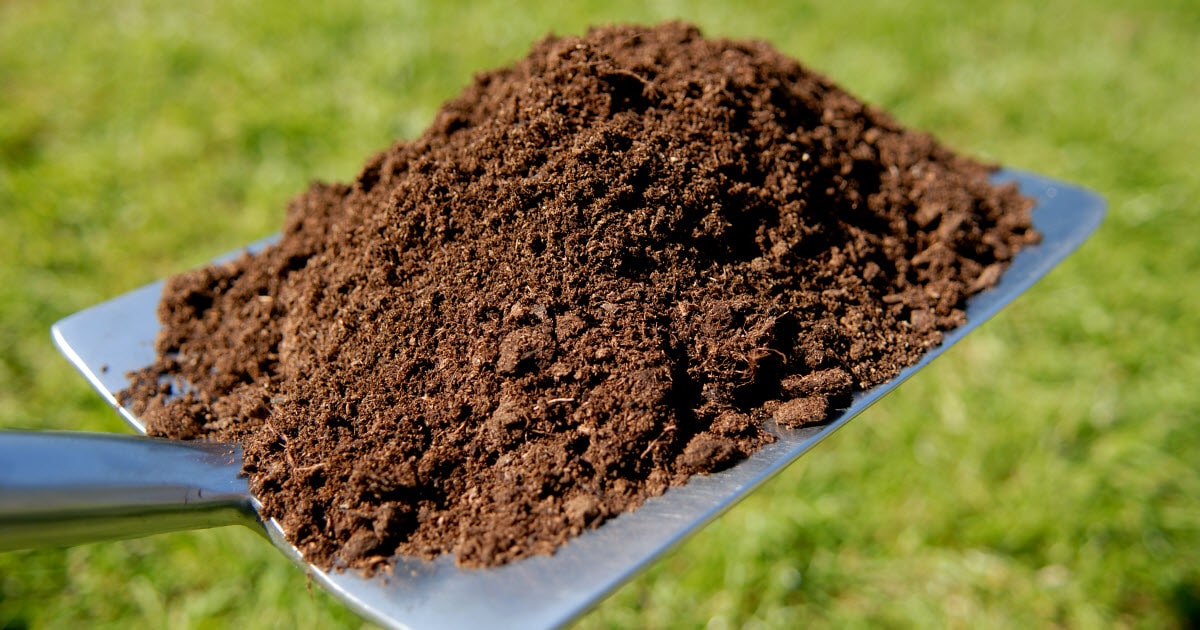
Nothing is more beautiful than a lush green lawn where your pets and kids can run free. Regardless of your best efforts, sometimes your lawn will still show signs of weakness. You might have the perfect lawn in spring, but your lush green grass goes to junk as soon as summer sets in. That’s where top dressing lawn areas comes in. Top dressing your lawn encourages the slow release of long-lasting nutrients that your turf needs and is a great, natural way to ensure your lawn grows optimally all year long.

Read More
Nitrogen vs Iron for Lawns

Nitrogen vs Iron for Lawns (what to use and when)

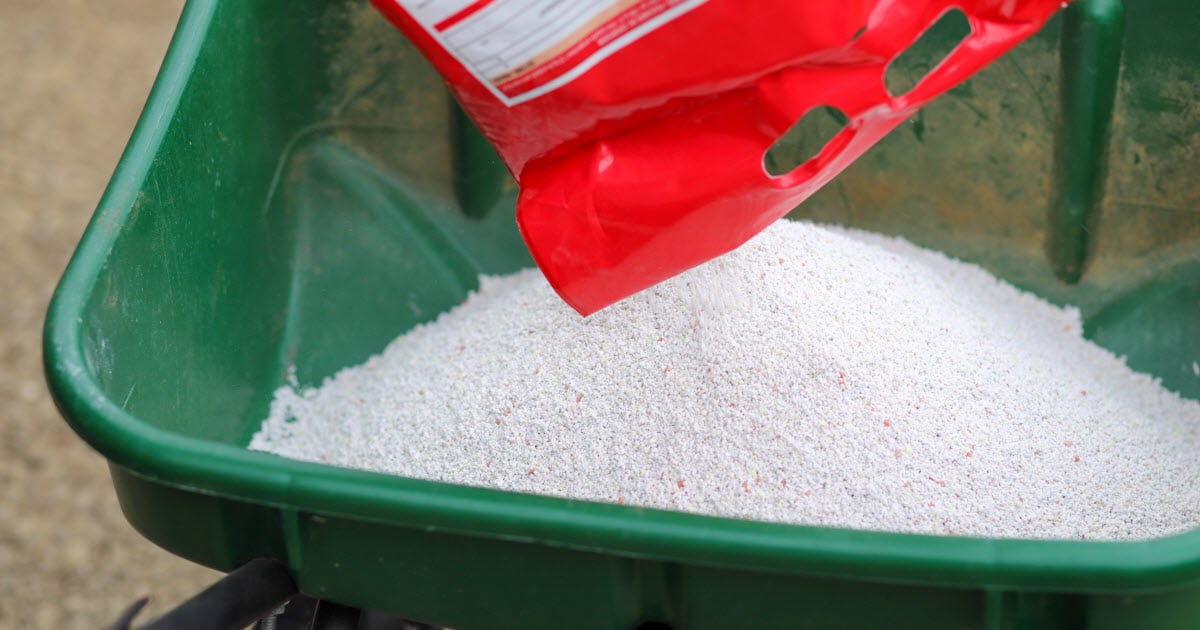
When springtime rolls around, everybody eagerly tries to green up their lawn. But not all products affect lawns the same way. Understanding how nitrogen fertilizer and iron amendments affect your lawn is essential for knowing what to use on your lawn, and when to use it. In today’s article I’ll compare Nitrogen vs Iron for lawns, and explain how each product works and help you determine what your lawn will benefit most from.

Read More
What Does Lime Do for Grass

What Does Lime Do for Grass?

You’ve been diligently watering your lawn. Not too much, not too little, but just enough so that it should be looking healthy. You’ve also given it a good dose of fertilizer and are eagerly awaiting the day that it gets its luscious green body back. So why is your turf still looking yellow in places and taking ages to grow? Adding lime might help, but what does lime do for grass?

Read More
Kentucky Bluegrass

Kentucky Bluegrass for Lawns (my ultimate guide)

Kentucky bluegrass is one of the most popular grass types in American yards. Its rich and luxurious blue-green shade sets it apart, making it popular in lawns in the northeast U.S. Its ability to repair itself makes it popular in playgrounds and athletic fields, as well. When grown in the proper conditions, Kentucky bluegrass has a look like none other. It is a sod forming grass that’s often mixed with other grass types to develop more easily into sod.

Read More
Fescue Grass

Fescue Grass for Lawns (my ultimate guide)

Fescue grasses have become one of the most prevalent grasses in the United States. Across its several hundred different species, fescue has proven a durable and adaptable grass variety that thrives through the broad season spectrum in the U.S. Different species have cultivars for shade tolerance, drought resistance, and disease tolerance (though it can be susceptible to Brown Patch disease). Many varieties are even able to withstand insects, lowering the need for pesticides.

Read More